
In the modern business environment, having a website is no longer enough to establish a successful online presence. Businesses must also ensure that potential customers can discover their websites, understand their offerings, and trust the information they find. Search engine optimization (SEO) plays an important role in achieving these objectives by helping websites become more visible in relevant search results.
For businesses in Coimbatore, Tamil Nadu, building a strong digital presence can create opportunities to reach local customers, connect with wider audiences, and compete in an increasingly digital marketplace. Whether a company operates in manufacturing, healthcare, education, retail, hospitality, or professional services, an effective online strategy can help it communicate its value to potential customers.
Working with an SEO company in Coimbatore can help businesses identify opportunities to improve search visibility, optimize website performance, create useful content, and attract relevant visitors. However, sustainable digital growth requires more than keyword rankings. It involves understanding customer needs, maintaining a technically sound website, building credibility, and continuously measuring performance.
This guide explores the essential strategies businesses can use to strengthen their digital presence and develop a sustainable SEO approach.
1. Understand the Importance of a Strong Digital Presence
A digital presence includes all the places where people can discover and interact with a business online. These may include its website, search engine listings, Google Business Profile, social media accounts, industry directories, and online reviews.
A strong digital presence helps businesses communicate their expertise, provide useful information, and make it easier for potential customers to take action.
Consider a manufacturing company in Coimbatore that supplies products to businesses across India. If its website clearly explains its products, specifications, industries served, and enquiry process, potential buyers can evaluate its offerings before contacting the company.
Similarly, a local service provider can use informative website pages and accurate business information to help customers understand its services and location.
A successful digital presence generally depends on four elements:
- Online visibility: Helping relevant audiences discover the business.
- Useful information: Answering customers’ questions with clear and accurate content.
- Credibility: Demonstrating expertise and providing trustworthy business information.
- User experience: Making the website accessible, understandable, and easy to navigate.
SEO supports these elements by improving the relationship between what customers search for and what a website provides.
2. Develop an SEO Strategy Based on Business Goals
Before optimizing a website, businesses should establish what they want their online presence to achieve.
Different businesses may have different priorities. An online store might want to increase product sales, while a consulting firm may focus on qualified enquiries. A local clinic may want to help patients find accurate information about its services and location.
Clearly defined objectives help businesses prioritize SEO activities and evaluate whether their efforts are producing meaningful outcomes.
Identify Your Target Audience
Start by understanding who your potential customers are, what problems they need to solve, and what information they expect before making a decision.
Useful questions include:
- Which products or services are most important to the business?
- Are customers primarily local, national, or international?
- What questions do customers ask before purchasing?
- Which factors influence their buying decisions?
- What information would help them compare available options?
The answers can guide keyword research, content planning, website structure, and conversion optimization.
Set Measurable Objectives
Instead of focusing exclusively on ranking positions, establish measurable goals such as increasing relevant organic traffic, generating qualified enquiries, improving product-page visits, or increasing completed purchases.
For example, a business could monitor monthly organic clicks, enquiries generated through organic search, and the conversion rate of its main service pages.
These measures connect SEO activities with practical business objectives.
3. Conduct Keyword Research to Identify Relevant Opportunities
Keyword research helps businesses understand how people search for information, products, and services. It also reveals opportunities to create pages that match specific customer needs.
An SEO company in Coimbatore may begin by researching the business’s services, target audience, competitors, and geographic focus.
For example, a business targeting the local market might investigate search terms such as:
- SEO services in Coimbatore
- Digital marketing services in Coimbatore
- Local SEO for small businesses
- Website optimization services
- SEO strategies for manufacturing companies
- How to improve organic website traffic
These keywords represent different types of searches and should not necessarily be targeted on a single page.
Understand Search Intent
Search intent refers to the purpose behind a search query. Understanding it helps businesses create content that satisfies the user’s expectations.
Informational intent: Users want to learn about a subject. A query such as “how does technical SEO work?” reflects this intent.
Commercial investigation: Users are comparing options before making a decision. For example, “how to choose an SEO company in Coimbatore.”
Transactional intent: Users are ready to take action, such as requesting a quotation or purchasing a service.
Navigational intent: Users want to find a particular website or business.
A comprehensive SEO strategy should account for the relevant search intents within its target market.
Use Keywords Naturally
The primary keyword should appear where it helps readers understand the page’s subject, including the title, introduction, and relevant sections. Related terms can be incorporated where appropriate.
Avoid keyword stuffing or repeating the same phrase in every heading. Search engines aim to understand content in context, and excessive repetition can make an article difficult to read.
Google Keyword Planner, Google Search Console, and other keyword research tools can help identify search queries and content opportunities. However, search volume estimates should be interpreted alongside relevance, competition, and business value.
4. Improve On-Page SEO for Better Website Visibility
On-page SEO involves optimizing individual website pages so users and search engines can understand their content more easily.
Effective on-page optimization combines clear writing, useful information, descriptive metadata, logical headings, and relevant internal links.
Optimize Title Tags and Meta Descriptions
A title tag communicates the main subject of a webpage and may influence the title displayed in search results.
For a page about this topic, an appropriate title is:
How to Build a Strong Digital Presence with an SEO Company in Coimbatore
The title accurately describes the article and includes the target keyword naturally.
A meta description provides a concise summary of the page. Although it is not a direct Google ranking factor, a relevant description can help users understand what they will find.
For example:
“Discover how to build a strong digital presence through keyword research, technical SEO, local optimization, and quality content.”
Google may generate a different search-result title or description depending on the query and the page content.
Create Clear Heading Structures
Headings help readers scan an article and identify the sections most relevant to them.
Use a clear main heading followed by descriptive subheadings. Organize related information together and avoid headings that promise information the section does not provide.
For long-form articles, sections covering keyword research, technical optimization, local SEO, and performance tracking can create a logical reading experience.
Strengthen Internal Linking
Internal links connect related pages within the same website. They help visitors discover additional information and help search engines understand how pages relate to one another.
For example, this article could link to relevant resources about technical SEO audits, keyword research, local search optimization, and website content strategy.
Use descriptive anchor text that accurately explains the destination page. Internal links should be added because they help users, not simply to increase the number of links.
5. Strengthen Technical SEO and Website Performance
Technical SEO focuses on making a website accessible to search engines and usable for visitors. Problems involving crawling, indexing, mobile usability, or page performance can interfere with the effectiveness of otherwise valuable content.
A technical SEO audit helps identify these issues and establish priorities for improvement.
Check Crawling and Indexing
Crawling allows search engines to discover webpages, while indexing involves processing and storing eligible pages for possible inclusion in search results.
Businesses should regularly check whether important pages are accessible and whether technical settings are preventing search engines from processing them.
Important checks include:
- Reviewing indexing reports in Google Search Console.
- Checking for accidental
noindexdirectives. - Reviewing robots.txt restrictions.
- Providing an accurate XML sitemap.
- Identifying broken internal links.
- Checking canonical tags on duplicate or similar URLs.
- Ensuring important pages return appropriate HTTP status codes.
Submitting a sitemap does not guarantee indexing. Search engines independently determine which pages are eligible and useful enough to include in their results.
Improve Page Loading Performance
A website that loads slowly or changes layout unexpectedly can frustrate visitors.
Businesses can use PageSpeed Insights to investigate loading performance and Core Web Vitals, which measure loading speed, responsiveness, and visual stability.
Potential improvements include compressing images, reducing unnecessary JavaScript, using suitable caching, and reviewing third-party scripts.
Performance improvements should be prioritized according to their actual impact rather than pursuing a perfect testing score without considering user experience.
Make the Website Mobile-Friendly
A mobile-friendly website adapts to different screen sizes and allows visitors to navigate comfortably.
Check that text is readable, buttons are easy to tap, forms work correctly, and important information is available on mobile devices.
A responsive website helps create a consistent experience for users accessing the business through smartphones, tablets, and desktop computers.
6. Create Helpful Content That Demonstrates Experience and Expertise
High-quality content helps businesses explain their services, answer customer questions, and demonstrate subject knowledge.
However, publishing more articles does not automatically produce better SEO results. Content should serve a clear purpose and provide information that readers can use.
Develop Content Around Real Customer Needs
Businesses should identify the questions their customers ask throughout the buying process.
For example, a business serving customers in Coimbatore might create articles about:
- Common technical SEO problems affecting business websites.
- How local businesses can improve their online visibility.
- Ways to evaluate SEO performance beyond rankings.
- Website optimization considerations for manufacturing businesses.
- How to choose keywords for service pages.
- What to review before launching a new website.
Each article should answer its central question thoroughly without adding unnecessary paragraphs merely to increase word count.
Demonstrate Experience and Trustworthiness
Google’s people-first content guidance emphasizes useful, reliable content created for people. Businesses can strengthen their content by incorporating genuine experience, verifiable information, and original insights.
Useful approaches include:
- Publishing case studies based on actual projects.
- Explaining methods and decisions clearly.
- Including original photographs or relevant screenshots.
- Citing reliable sources for important factual claims.
- Providing accurate author information where appropriate.
- Updating content when information becomes outdated.
Never invent testimonials, client results, professional qualifications, or personal experiences to make an article appear more authoritative.
Review AI-Assisted Content Carefully
AI tools can assist with outlining, editing, and organizing research. However, automatically publishing large quantities of generic content without adding value can undermine a website’s usefulness.
Review every article for accuracy, originality, clarity, and relevance. Add meaningful expertise and verify claims before publication.
The objective should be to help readers accomplish something, rather than produce content solely to influence rankings.
7. Use Local SEO to Reach Relevant Customers in Coimbatore
Local SEO helps businesses improve their visibility for geographically relevant searches.
For businesses serving customers in Coimbatore, local optimization can help people discover nearby providers, verify business information, and evaluate available services.
Optimize Your Google Business Profile
Eligible businesses that interact with customers in person may benefit from maintaining an accurate Google Business Profile.
Important practices include:
- Using the correct business name.
- Selecting relevant business categories.
- Providing accurate opening hours and contact information.
- Describing services clearly.
- Adding genuine photographs.
- Updating information when business details change.
- Responding professionally to customer reviews.
Businesses should follow Google’s eligibility and representation guidelines. Creating fake locations or misleading business information can damage trust and violate platform policies.
Maintain Accurate Business Listings
Business listings on relevant directories and industry websites can help customers discover and verify a company.
Review important listings for outdated addresses, incorrect telephone numbers, inconsistent business names, and broken website links.
Prioritize reputable and relevant platforms rather than submitting a website to hundreds of low-quality directories.
Create Useful Location-Specific Pages
Businesses serving multiple locations may benefit from separate location pages when each page provides meaningful information.
A useful page could explain the services available in a particular area, the customers served, relevant projects, and genuine local contact information.
Avoid creating numerous pages that differ only by city name. Location pages should offer genuine value rather than exist solely to target additional keywords.
8. Build a Credible Backlink Profile
Backlinks are links from external websites that point to a webpage. They can help search engines discover content and provide useful context about its relevance and reputation.
However, not all backlinks offer equal value, and a large number of links does not automatically translate into stronger rankings.
Focus on Relevant and Naturally Earned Links
Businesses can develop a sustainable backlink strategy by creating resources that other websites have a legitimate reason to reference.
Potential approaches include:
- Publishing original research and industry insights.
- Contributing useful articles to relevant publications.
- Developing comprehensive educational resources.
- Building relationships with legitimate industry organizations.
- Sharing expert commentary when it genuinely helps an audience.
- Earning editorial references through useful content.
For example, a manufacturing business could publish a detailed guide to industry processes that suppliers, educational institutions, or relevant trade publications may find useful.
Avoid link schemes, paid links intended to manipulate rankings, and excessive low-quality bookmarking or directory submissions.
The objective is to develop a credible online reputation, not simply increase the backlink count.
9. Optimize the Website for Leads and Conversions
Attracting visitors is only one part of digital growth. A website should also help visitors complete meaningful actions.
Depending on the business, these actions may include purchasing a product, requesting a quotation, booking an appointment, or submitting an enquiry.
Simplify Website Navigation
Organize website pages into logical categories and use descriptive menu labels. Visitors should be able to understand the business’s offerings without navigating through confusing menus.
Important service information, contact details, and relevant resources should be easy to find.
Use Clear Calls to Action
A call to action explains the next step a visitor can take.
Examples include “Request a Quote,” “Explore Our Services,” and “Contact Our Team.”
Choose calls to action that match the purpose of the page. An educational article may guide readers toward a related resource, while a service page may encourage interested visitors to submit an enquiry.
Establish Trust
Visitors are more likely to evaluate a business positively when its website provides accurate and transparent information.
Depending on the business, useful trust signals may include genuine reviews, clearly explained services, verified case studies, contact information, and appropriate privacy policies.
Avoid unrealistic promises such as guaranteed Google rankings or guaranteed sales. SEO results depend on multiple factors, including competition, website condition, content quality, and changes in search behaviour.
10. Measure Results and Improve the Strategy Continuously
SEO requires ongoing monitoring because search visibility, user behaviour, and competition can change over time.
Businesses should evaluate both search performance and the outcomes that matter to their objectives.
Track Important Metrics
Organic clicks: Monitor how many clicks the website receives from unpaid search results.
Search impressions: Review how often the website appears in Google Search.
Click-through rate: Evaluate the percentage of impressions that result in clicks, considering the search query and the type of result.
Relevant keyword performance: Identify the queries that generate visibility and assess whether they match the business’s target audience.
Conversions: Track meaningful actions such as purchases, qualified enquiries, and completed forms.
Technical health: Monitor indexing issues, broken links, and website performance.
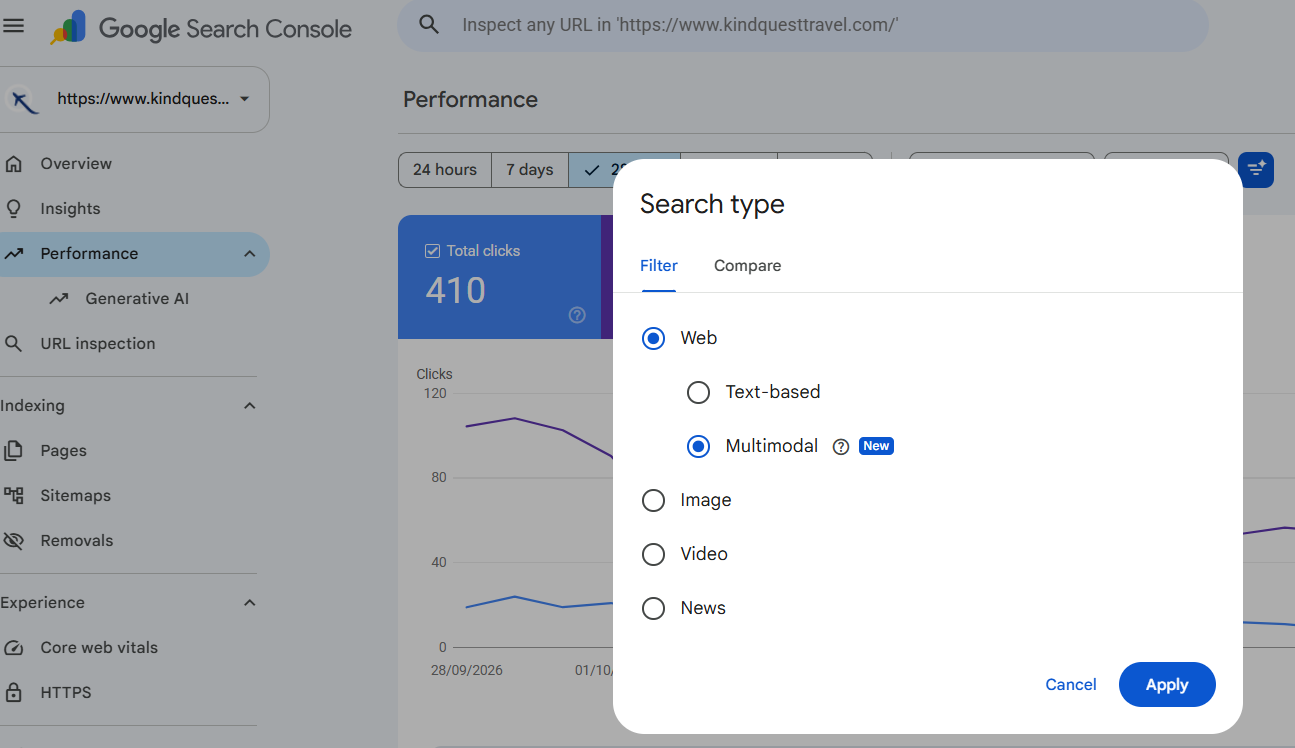
Google Search Console provides information about search impressions, clicks, and queries. Google Analytics can help businesses understand visitor behaviour and conversions after people arrive on the website.
These tools serve different purposes and work well together when evaluating organic performance.
Review Performance Regularly
Establish a baseline before making significant changes. Then review performance periodically to understand which improvements are working and which areas need further attention.
For example, a page receiving many impressions but few clicks may benefit from a more descriptive title. A page attracting relevant visitors but generating few enquiries may need clearer service information or a simpler contact process.
Avoid making decisions based on a single metric. Evaluate performance in context and allow sufficient time to understand the impact of significant SEO changes.
11. Develop a Practical 90-Day Digital Growth Plan
A structured plan helps businesses organize SEO activities and focus on the improvements that matter most.
Days 1–30: Research and Audit
Begin by reviewing the website’s current performance, technical condition, and business objectives.
- Identify target audiences and important services.
- Conduct keyword research.
- Review existing website content.
- Check crawling and indexing.
- Evaluate mobile usability and page speed.
- Assess local business information.
- Record baseline search performance.
Use the findings to prioritize technical problems and identify content opportunities.
Days 31–60: Implement Improvements
Focus on making the website more useful, accessible, and relevant.
- Improve important title tags and meta descriptions.
- Organize headings and internal links.
- Update outdated or unhelpful content.
- Resolve priority technical SEO issues.
- Improve relevant service and location pages.
- Optimize images and address performance problems.
- Correct inaccurate business listings.
- Publish useful content based on customer questions.
Document the changes so their effects can be evaluated later.
Days 61–90: Measure and Refine
Review the results and identify the next set of priorities.
- Compare clicks and impressions with the baseline.
- Review relevant search queries.
- Check important pages for indexing issues.
- Evaluate leads and other conversions.
- Identify content gaps.
- Improve pages that attract relevant visitors but underperform.
- Plan future technical improvements and content updates.
Meaningful SEO growth may take several months or longer. This 90-day framework establishes a process for continuous improvement rather than promising a particular ranking or traffic outcome.
Frequently Asked Questions
1. Why should businesses work with an SEO company in Coimbatore?
An SEO provider may help businesses identify relevant keywords, improve website structure, resolve technical problems, develop useful content, and strengthen local search visibility. The appropriate approach depends on the business’s goals, target audience, and current website condition.
2. How long does it take to see SEO results?
SEO does not have a guaranteed timeline. Some technical improvements may produce relatively quick changes, while meaningful growth in organic visibility can take several months or longer. Competition, website history, content quality, and implementation all influence results.
3. Is local SEO important for small businesses?
Local SEO can be particularly valuable for businesses serving customers in a specific geographic area. Accurate business information, relevant location pages, customer reviews, and a well-maintained Google Business Profile can help eligible businesses become easier to discover.
4. Can SEO generate leads without paid advertising?
Yes. Organic search can attract relevant visitors without paying for every click. However, SEO requires investment in content, website improvements, tools, or professional services. Results depend on the quality of the strategy and the competitiveness of the market.
5. Are backlinks necessary for building digital authority?
Backlinks can contribute to search discovery and provide useful signals about a website’s reputation. However, they are only one part of SEO. Relevant content, technical accessibility, user experience, and other factors also matter.
6. How can a business measure SEO success?
Businesses can measure SEO performance using organic clicks, search impressions, relevant search queries, qualified leads, sales, and website engagement. Google Search Console and Google Analytics provide complementary data for evaluating results.
7. Does publishing more blog posts guarantee better rankings?
No. Publishing additional content does not guarantee higher rankings. Each article should address a genuine audience need and provide useful, accurate information. Improving an existing page can sometimes be more valuable than publishing another article on a similar topic.
Conclusion
Building a strong digital presence requires a consistent approach to search visibility, website performance, useful content, local relevance, and customer experience. Businesses that focus on these fundamentals can create a more reliable online foundation and improve their ability to connect with relevant audiences.
An SEO company in Coimbatore may help businesses implement these strategies through keyword research, on-page optimization, technical audits, local SEO, content development, and performance measurement. However, long-term progress depends on understanding customer needs, making informed decisions, and continuously improving the website.
Rather than focusing exclusively on keyword rankings, businesses should aim to provide accurate information, demonstrate genuine expertise, earn credible references, and make it easy for visitors to find what they need.
A sustainable digital presence is built through useful content, reliable website experiences, and ongoing improvements that support both customer needs and business objectives.