Building brand awareness is one of the biggest challenges for startups entering a competitive market. A new business may offer excellent products or services, but attracting attention and earning customer trust takes time. Without a strong online presence, even promising startups can struggle to reach their target audience and communicate what makes their brand different.
For startups in Goa, digital marketing creates opportunities to connect with local customers, tourists, business owners and audiences from other parts of India. Whether a company operates in hospitality, tourism, food and beverages, real estate, retail, education or technology, the right online marketing strategy can help it establish a recognizable identity.
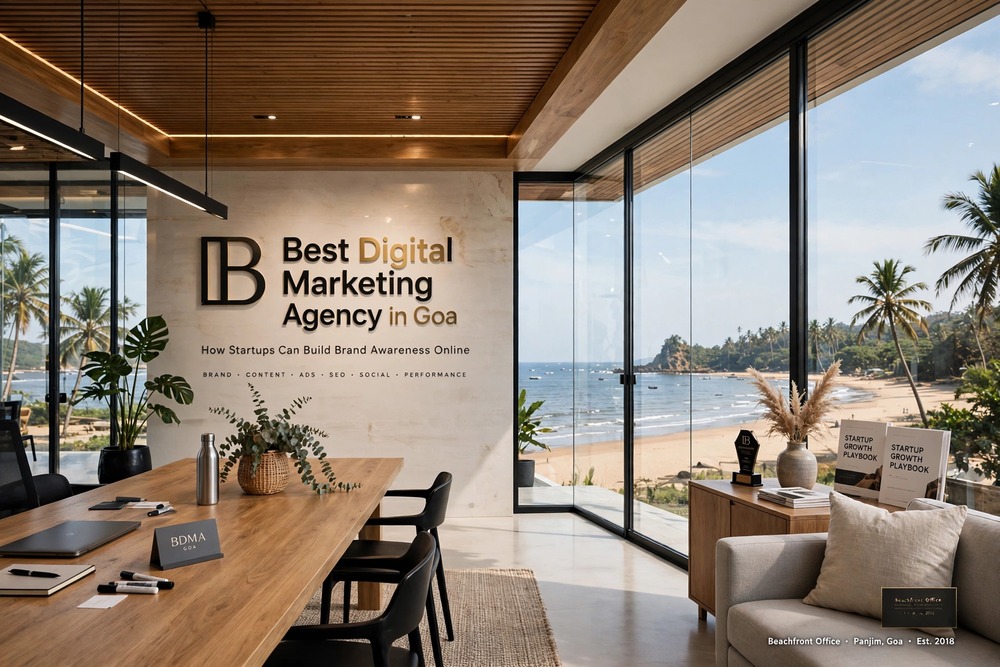
Working with the Best Digital Marketing Agency in Goa can help startups develop a structured marketing approach, improve online visibility and build meaningful relationships with potential customers. However, successful brand awareness requires more than running advertisements or posting regularly on social media. It involves understanding the audience, communicating a consistent brand message and selecting marketing channels that support long-term business goals.
This guide explores practical digital marketing strategies that startups in Goa can use to build brand awareness, attract relevant audiences and establish a stronger online presence.
What Is Brand Awareness in Digital Marketing?
Brand awareness refers to how familiar people are with a business, its products, services and identity. It determines whether potential customers recognize a brand when they encounter its name, logo, website, advertisements or social media content.
For startups, brand awareness is important because customers are less likely to purchase from a business they do not recognize or trust.
A strong brand presence helps businesses:
- Introduce their products and services to potential customers.
- Build recognition within their target market.
- Communicate their unique value proposition.
- Develop customer trust and familiarity.
- Generate relevant website traffic and enquiries.
- Create opportunities for repeat business and referrals.
Brand awareness is not measured only through followers or likes. Businesses should also evaluate branded search activity, direct website visits, engagement quality, referral traffic and customer enquiries.
Why Brand Awareness Matters for Startups in Goa
Goa offers opportunities across several industries, including tourism, hospitality, restaurants, retail, real estate, professional services and emerging technology businesses.
However, startups must compete with established companies, recognized local brands and businesses targeting similar customer groups.
A focused digital marketing strategy can help new businesses become more visible without depending entirely on traditional advertising.
1. Reach Local and International Audiences
Goa attracts visitors from different Indian cities and international markets. Businesses operating in tourism, hospitality, restaurants and travel-related services can use digital channels to reach people before they arrive at their destination.
For example, a newly launched boutique hotel can publish useful travel content, maintain an updated website and use social media to introduce its accommodation, facilities and location.
2. Build Trust in a Competitive Market
Customers often research a business online before making a purchase or reservation. A professional website, useful content, genuine customer reviews and active social media profiles can help establish credibility.
3. Compete with Established Brands
Startups may not have the advertising budgets of larger companies. However, targeted content marketing, local SEO and well-planned social media campaigns can help them reach specific audiences more efficiently.
4. Support Long-Term Business Growth
Brand awareness can contribute to future customer acquisition. When people become familiar with a business, they may be more likely to consider it when they need the relevant product or service.
1. Define Your Startup’s Brand Identity and Target Audience
Before investing in digital marketing, startups should clearly understand what they want their brand to represent.
A brand identity includes the business name, visual style, tone of communication, values and unique selling proposition.
Identify Your Unique Selling Proposition
A unique selling proposition explains why customers should consider your business instead of competitors.
For example:
- A restaurant may focus on regional ingredients and distinctive dining experiences.
- A hotel may highlight personalized hospitality and convenient access to nearby attractions.
- A retail startup may offer locally inspired products.
- A technology startup may focus on simplifying a specific business process.
The message should communicate a genuine business advantage rather than making unsupported claims.
Understand Your Target Customers
Different startups need different marketing approaches.
A tourism business may target travellers planning their holidays, while a local service provider may focus on residents and nearby businesses.
Create customer profiles based on factors such as:
- Age group and general customer characteristics.
- Location and language preferences.
- Interests and purchasing behaviour.
- Problems customers want to solve.
- Preferred online platforms.
- Budget and buying considerations.
A clear understanding of the audience helps startups create relevant content and avoid wasting resources on unsuitable marketing channels.
2. Build a Professional and User-Friendly Website
A website is often the first detailed introduction customers receive about a startup. It should communicate the brand’s value clearly and make it easy for visitors to take the next step.
A professional website should include:
- A clear homepage explaining the business.
- Detailed product or service pages.
- Relevant images and business information.
- Contact details and enquiry options.
- Customer testimonials where genuine and permitted.
- Frequently asked questions.
- Privacy policy and other relevant legal information.
Focus on Mobile-Friendly Design
Many users discover businesses through smartphones. Therefore, websites should offer responsive layouts, readable text, accessible navigation and functional forms across mobile devices.
Improve Website Loading Performance
Slow websites can create a frustrating experience. Optimize images, reduce unnecessary scripts and use reliable hosting to improve performance.
Google’s Core Web Vitals provide useful measurements of loading performance, responsiveness and visual stability.
Use Clear Calls to Action
Every important page should guide visitors towards an appropriate action, such as:
- Contact the business.
- Request a quotation.
- Book a consultation.
- Explore available services.
- Make a reservation.
The call to action should match the visitor’s intent and the purpose of the page.
3. Use Search Engine Optimization to Improve Online Visibility
Search engine optimization helps startups make their websites more discoverable when people search for relevant products, services and information.
For a startup in Goa, SEO can support both local searches and broader audience targeting.
Conduct Relevant Keyword Research
Identify search terms that potential customers actually use.
For example, a hospitality startup may research keywords such as:
- Boutique hotels in Goa.
- Affordable accommodation in North Goa.
- Beach resorts in Goa.
- Best restaurants in Panjim.
A professional service provider may target service-specific searches combined with relevant location terms.
Choose keywords according to search intent, business relevance and the actual services offered.
Optimize Website Pages
Every important website page should have:
- A descriptive SEO title.
- A relevant meta description.
- A clear H1 heading.
- Logical H2 and H3 subheadings.
- Useful and original content.
- Relevant internal links.
- Descriptive image alt text.
Avoid keyword stuffing. Content should be written primarily for people and should answer the questions visitors are trying to solve.
Focus on Local SEO
Local SEO is especially important for startups serving customers in Goa.
Businesses should maintain accurate business information, create a complete Google Business Profile where eligible and encourage genuine customer reviews.
Consistent business name, address and phone information across important platforms can also help customers identify and contact the business.
Local landing pages should provide genuinely useful location-specific information instead of repeating identical content with different city names.
4. Leverage Social Media Marketing to Build Brand Recognition
Social media allows startups to introduce their brand, communicate directly with audiences and showcase products or services through different content formats.
Platforms such as Instagram, Facebook, LinkedIn and YouTube may be useful depending on the business model and target audience.
Instagram Marketing
Instagram can be particularly useful for visually driven businesses.
Hotels, restaurants, travel companies, fashion brands and lifestyle startups can share:
- Product and service photographs.
- Short-form videos and Reels.
- Behind-the-scenes content.
- Customer experiences with permission.
- Educational posts.
- New product or service announcements.
A consistent visual identity helps people recognize the business across different posts and campaigns.
Facebook Marketing
Facebook can support local community engagement, business updates, event promotion and targeted advertising.
Startups can use relevant groups and business pages to share useful information while following each platform’s community and promotional guidelines.
LinkedIn Marketing
For B2B startups, technology companies and professional service providers, LinkedIn can help build credibility.
Businesses can share industry insights, company updates, founder perspectives, project information and useful professional content.
YouTube Marketing
YouTube provides opportunities to publish detailed videos that explain products, demonstrate services and answer customer questions.
For example, a travel startup could create destination guides, while a software startup could publish product demonstrations and tutorials.
The most effective social media strategy is not necessarily being active on every platform. Startups should prioritize the channels where their target audience is most likely to engage.
5. Invest in Content Marketing to Build Long-Term Visibility
Content marketing helps startups demonstrate expertise and provide useful information before customers make purchasing decisions.
Instead of constantly promoting products, businesses should create content that answers customer questions and addresses common problems.
Publish Informative Blog Articles
A startup website can include articles covering topics related to its products, services and industry.
For example:
- A Goa hotel could publish guides about planning a comfortable stay.
- A restaurant could share information about regional cuisine.
- A real estate startup could explain property-buying considerations.
- A technology company could publish tutorials and practical industry insights.
Useful articles can attract organic visitors and create opportunities to introduce the business naturally.
Create Educational Videos
Short videos and detailed tutorials can explain complex products or demonstrate how services work.
Video content can also make a startup’s communication more approachable when it is authentic and relevant.
Share Original Business Insights
Startups should share genuine knowledge from their operations, product development and customer interactions.
Original photographs, practical demonstrations, detailed explanations and documented processes can make content more useful and credible.
6. Use Google Ads and Social Media Advertising Strategically
Organic marketing takes time to build momentum. Paid advertising can help startups introduce their brand to relevant audiences and generate traffic more quickly.
However, advertising should be based on clear objectives and a realistic budget.
Google Search Ads
Google Search Ads can help businesses appear for relevant search queries.
For example, a hotel startup may target users searching for accommodation in a specific part of Goa.
Campaigns should use relevant keywords, focused landing pages and clear conversion tracking.
Meta Ads
Facebook and Instagram advertising can help startups reach audiences based on available targeting options, interests and campaign objectives.
Businesses can use different creative formats, including images, videos and carousel advertisements.
Remarketing Campaigns
Remarketing can help businesses reconnect with eligible audiences who previously interacted with their website or advertising.
For example, a customer who visited a service page but did not submit an enquiry may see a relevant follow-up advertisement, subject to platform policies and applicable privacy requirements.
Monitor Advertising Performance
Do not evaluate campaigns only through impressions or clicks.
Track meaningful metrics such as:
- Cost per lead.
- Conversion rate.
- Qualified enquiries.
- Customer acquisition cost.
- Return on advertising spend.
- Revenue generated.
Paid campaigns should be tested and optimized based on actual performance rather than assumptions.
7. Collaborate with Local Creators and Business Communities
Partnerships can help startups reach audiences that already have an interest in their products or services.
Goa’s hospitality, food, tourism and lifestyle sectors provide opportunities for relevant collaborations.
For example:
- A new restaurant could collaborate with a local food creator.
- A boutique hotel could work with travel content creators.
- A retail startup could participate in local events.
- A B2B company could collaborate with professional communities.
Choose collaborators based on audience relevance, engagement quality and brand suitability rather than follower count alone.
Sponsored partnerships should be disclosed transparently. Businesses should also follow applicable advertising and influencer disclosure requirements.
8. Build Trust Through Customer Reviews and Online Reputation Management
Customer trust plays an important role in brand awareness.
People frequently look for reviews and feedback before choosing a restaurant, hotel, service provider or online business.
Startups should develop a simple process for requesting genuine feedback after customer interactions.
Important practices include:
- Maintaining accurate business details.
- Responding professionally to customer reviews.
- Addressing complaints constructively.
- Sharing authentic testimonials with permission.
- Avoiding fabricated reviews or misleading claims.
- Monitoring brand mentions across relevant platforms.
For eligible local businesses, a well-maintained Google Business Profile can help customers discover useful information such as opening hours, location, contact details and reviews.
Online reputation management should focus on improving the customer experience rather than simply collecting positive ratings.
9. Use Email Marketing to Build Customer Relationships
Email marketing allows startups to maintain communication with people who have voluntarily subscribed or otherwise provided appropriate permission.
It can be useful for sharing:
- Product announcements.
- Company updates.
- Educational newsletters.
- Event information.
- Special offers.
- Relevant service updates.
For example, a travel startup could send destination information and trip-planning content to subscribers who have opted in to receive it.
Emails should provide genuine value and include clear unsubscribe options. Businesses should follow applicable privacy and anti-spam requirements.
10. Measure Brand Awareness and Digital Marketing Performance
A startup should regularly evaluate whether its marketing activities are improving visibility and attracting the right audience.
Useful metrics include:
Branded search impressions: Indicates how often people search for the startup’s name or brand-related terms.
Organic website traffic: Measures visitors arriving through unpaid search results.
Direct traffic: Can provide insight into visitors who access the website directly, although analytics attribution has limitations.
Social media engagement: Helps evaluate audience interaction with published content.
Website referral traffic: Shows visits generated through other websites and platforms.
Lead generation: Measures enquiries, registrations, bookings or other meaningful actions.
Customer acquisition cost: Helps businesses understand how much they spend to acquire customers.
Useful measurement tools include Google Search Console, Google Analytics 4 and the analytics dashboards available within advertising and social media platforms.
Startups should establish baseline measurements and compare performance over time. Brand awareness is a long-term activity, so a single campaign or short reporting period may not provide a complete picture.
11. How the Best Digital Marketing Agency in Goa Can Help Startups
Building brand awareness requires coordination across several marketing channels. Startups may have limited internal resources, making professional guidance useful.
The Best Digital Marketing Agency in Goa can help businesses develop a strategy based on their target audience, industry and growth objectives.
A digital marketing partner may provide services such as:
- SEO and local SEO.
- Website design and optimization.
- Social media marketing.
- Google Ads management.
- Facebook and Instagram advertising.
- Content marketing.
- Email marketing.
- Online reputation management.
- Analytics and performance reporting.
Before choosing an agency, startups should review its service capabilities, communication process, reporting methods and understanding of their industry.
A reliable agency should explain its proposed strategy, define measurable objectives and provide transparent reporting. Businesses should avoid agencies that guarantee specific rankings or unrealistic sales results.
12. A Practical 90-Day Brand Awareness Plan for Startups
Startups can use a phased marketing plan to build a consistent online presence.
First 30 Days: Establish the Foundation
- Define the brand identity and target audience.
- Build or improve the business website.
- Set up relevant social media profiles.
- Complete Google Business Profile information where eligible.
- Conduct keyword research.
- Install appropriate analytics and conversion tracking.
Days 31–60: Start Building Visibility
- Publish useful website content.
- Begin regular social media posting.
- Optimize important website pages.
- Launch targeted advertising tests if budget permits.
- Collect genuine customer feedback.
- Explore relevant local collaborations.
Days 61–90: Measure and Improve
- Review website traffic and search performance.
- Identify the content generating meaningful engagement.
- Evaluate paid campaign results.
- Improve underperforming landing pages.
- Refine audience targeting.
- Plan the next phase of content and marketing activities.
This plan provides a starting framework. Results depend on the startup’s industry, competition, budget, execution and customer demand.
Common Digital Marketing Mistakes Startups Should Avoid
Even well-planned marketing campaigns can become ineffective when businesses overlook important fundamentals.
Some common mistakes include:
- Targeting an audience that is too broad.
- Publishing content without a clear purpose.
- Ignoring website speed and mobile usability.
- Using social media only for promotional posts.
- Spending on advertisements without conversion tracking.
- Neglecting local SEO opportunities.
- Copying competitors instead of developing a distinct brand identity.
- Ignoring customer feedback and online reviews.
- Expecting immediate results from organic SEO.
- Measuring success only through followers, likes or impressions.
Avoiding these mistakes can help startups use their marketing resources more effectively and develop a more consistent brand presence.
Frequently Asked Questions (FAQs)
1. How can startups build brand awareness online in Goa?
Startups can build brand awareness through local SEO, social media marketing, content creation, Google Ads, customer reviews, relevant partnerships and a professional website. The right combination depends on the business model and target audience.
2. Why should startups invest in digital marketing?
Digital marketing helps startups reach relevant audiences, communicate their value proposition, generate enquiries and establish an online presence. It also provides measurable insights that can guide future marketing decisions.
3. Which digital marketing strategy is best for startups in Goa?
There is no single strategy suitable for every startup. Hospitality and tourism businesses may benefit from visual social media content and local SEO, while B2B and technology startups may prioritize search optimization, LinkedIn and educational content.
4. How much should a startup spend on digital marketing?
The budget depends on business objectives, competition, available resources and expected customer acquisition costs. Startups should begin with a manageable budget, measure results and increase investment in channels that demonstrate meaningful performance.
5. How long does it take to build brand awareness?
Brand awareness develops over time. Paid advertising can introduce a business to new audiences relatively quickly, while organic SEO and content marketing generally require consistent effort before meaningful results become visible.
6. Is SEO important for startups in Goa?
Yes. SEO can help startups appear in relevant search results when potential customers look for products, services or information. Local SEO is particularly useful for businesses serving customers in specific areas of Goa.
7. How can startups measure brand awareness?
Startups can monitor branded search activity, website traffic, social media engagement, referral visits, customer enquiries and direct traffic trends. These indicators provide different perspectives on brand visibility and audience interest.
Conclusion
Building brand awareness is an important step in establishing a successful startup. Businesses in Goa can use digital marketing to introduce their brands, connect with relevant audiences and develop customer trust across multiple online channels.
From local SEO and social media marketing to content creation, paid advertising and customer reputation management, every activity should support a clear business objective.
Partnering with the Best Digital Marketing Agency in Goa can help startups develop a structured marketing strategy, select suitable digital channels and measure their progress effectively.
However, sustainable brand recognition comes from consistency, useful communication and a genuine understanding of customer needs. Startups that focus on delivering value while maintaining a strong online presence can build a foundation for long-term business growth.