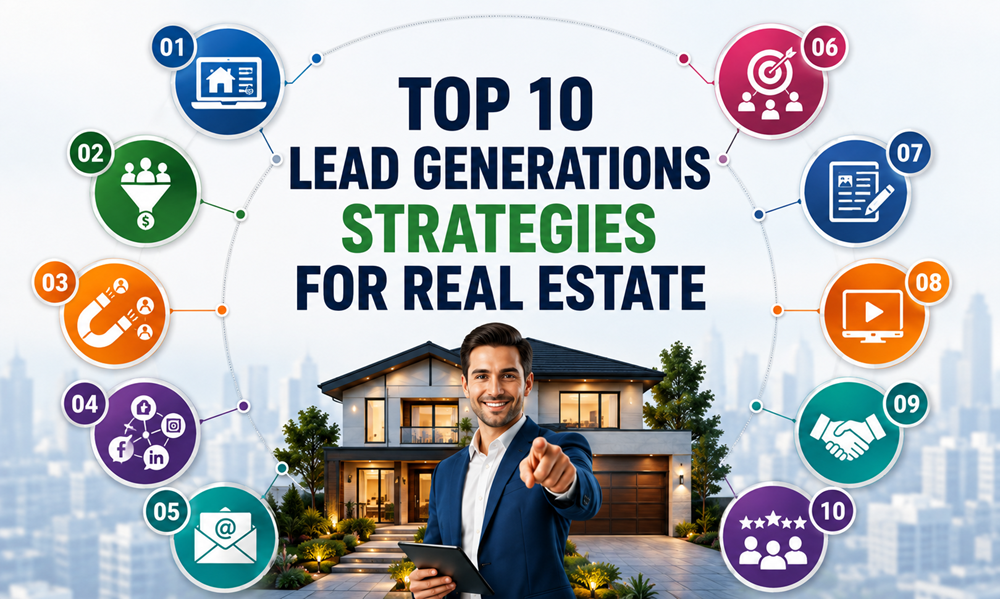
In today’s competitive property market, generating a steady stream of quality leads is the single biggest factor separating top-producing agents from everyone else. Commissions don’t come from listings alone — they come from relationships, visibility, and consistent follow-up. Whether you’re a new agent building your pipeline or a seasoned broker looking to scale, here are the ten most effective lead generation strategies real estate agents should be using right now.
1. Build a High-Converting Website
Your website is your digital storefront. A modern, mobile-friendly site with fast load times, clear calls-to-action, and an easy property search function will convert far more visitors than a generic template page. Include a lead capture form on every page — offering something valuable in exchange for contact details, such as a free home valuation or a neighborhood market report, dramatically increases conversion rates.
2. Invest in Local SEO
Most homebuyers start their search online, and a large percentage of them search using location-specific terms like “homes for sale in [city]” or “best realtor near me.” Optimizing your Google Business Profile, using localized keywords across your website, and earning backlinks from local directories helps you show up when it matters most. Local SEO is a long-term investment, but it delivers some of the highest quality, lowest-cost leads over time.
3. Leverage Social Media Marketing
Platforms like Instagram, Facebook, and TikTok aren’t just for brand awareness anymore — they’re powerful lead generation tools. Share listing walkthroughs, client testimonials, market updates, and behind-the-scenes content to build trust with your audience. Use Instagram Reels and TikTok videos to showcase properties in an engaging, scroll-stopping way, and always include a clear next step, such as “DM me for a private showing.”
4. Run Targeted Paid Ads
Facebook and Google Ads allow you to target hyper-specific audiences based on location, income level, and buying intent. A well-crafted ad campaign promoting a free seller’s guide or a curated list of new listings can generate a consistent flow of leads. Start with a modest budget, test different creatives and offers, and scale up once you identify what converts best.
5. Create Valuable Content Consistently
Blogging, YouTube videos, and email newsletters position you as the local market expert. Topics like “What’s My Home Worth in [City]?” or “First-Time Homebuyer Checklist” attract organic traffic and build long-term trust. Consistency matters more than volume — publishing one high-quality piece of content per week beats sporadic bursts of activity.
6. Nurture Leads with Email Marketing
Not every lead is ready to buy or sell immediately, which is why email nurturing is essential. Segment your list by buyer stage (browsing, actively searching, ready to transact) and send tailored content accordingly. Automated drip campaigns keep you top-of-mind without requiring manual effort for every single contact.
7. Tap Into Your Sphere of Influence (SOI)
Referrals from past clients, friends, and family remain one of the highest-converting lead sources in real estate. Stay in touch through personalized check-ins, holiday cards, and a “just sold” or “just listed” update. A simple CRM-driven system to track and follow up with your SOI regularly can generate a surprising number of deals each year.
8. Host Open Houses and Community Events
While digital marketing dominates conversations today, in-person events still generate high-quality leads. Open houses attract active buyers, and sponsoring or attending community events (farmers markets, school fundraisers, local fairs) builds brand recognition and trust within your target neighborhoods. Always capture contact information from attendees for follow-up.
9. Partner with Local Businesses and Referral Networks
Building relationships with mortgage brokers, home inspectors, contractors, and moving companies creates a two-way referral pipeline. These professionals interact with the same buyers and sellers you’re targeting, so cross-referrals can become a reliable, low-cost lead source. Consider co-hosting events or content collaborations to expand your reach further.
10. Use a CRM to Automate and Track Everything
None of the strategies above matter if leads fall through the cracks. A dedicated real estate CRM helps you track every contact, automate follow-up sequences, and identify which lead sources are actually converting into closed deals. The agents who consistently outperform their competition aren’t necessarily generating more leads — they’re simply following up better and faster.
Final Thoughts
Lead generation in real estate isn’t about picking one magic strategy — it’s about building a diversified system that combines digital visibility, personal relationships, and consistent follow-up. Start by mastering two or three of the strategies above, track your results closely, and gradually expand your efforts as you identify what works best for your market. The agents who commit to a consistent, multi-channel approach are the ones who build sustainable, referral-driven businesses for the long term.